Common Causes of Basement Leaks and Basement Waterproofing NJ Fixes

A dry basement is easy to take for granted until the first wet spot appears along a wall, a cardboard box goes soft, or the air turns musty enough that you can smell it at the top of the stairs. Basement leaks rarely begin as dramatic floods. More often, they start quietly. A hairline crack seeps during a hard rain. Condensation forms on a cold pipe and drips into a corner. A clogged gutter pushes roof runoff against the foundation one storm after another until the wall finally gives in.
In New Jersey, basements deal with a little of everything. Coastal moisture, freeze thaw cycles, older masonry foundations, heavy summer storms, high water tables in some areas, and dense clay soils in others all create the right conditions for water intrusion. That is why Basement Waterproofing NJ services are not one size fits all. The right fix depends on where the water is coming from, how often it happens, what the foundation is made of, and whether the problem is surface runoff, groundwater pressure, interior humidity, or a combination of all three.
Homeowners often want a single culprit, one obvious thing to blame. In practice, basement leaks are usually layered problems. I have seen homes where the owner focused on a wall crack when the real issue was a short downspout dumping hundreds of gallons beside the footing during every storm. I have also seen people spend money on exterior grading only to learn that their basement was sweating from poor insulation and an overworked dehumidifier. Good waterproofing starts with diagnosis, not guesswork.
What water in a basement is really telling you
Water follows the path of least resistance. That simple rule explains most basement moisture issues. When rainwater saturates the soil around a home, hydrostatic pressure builds against foundation walls and under the slab. If the wall has a crack, if the cove joint between wall and floor is weak, or if the concrete is porous enough, water moves in. It does not need a big opening. It needs time, pressure, and a route.
That route can be surprisingly subtle. A basement may stay dry for months, then leak only during a long storm after two wet weeks. Another basement may never show standing water but always feel damp, with paint bubbling near the floor and white mineral deposits on the wall. Efflorescence, that chalky residue, is a common clue that water has been traveling through masonry and evaporating at the surface. It is not the cause, but it is evidence.
Many New Jersey homes, especially older ones, have foundations that were built before modern drainage and waterproofing standards became common. Stone, block, and older poured concrete all behave differently. Block walls, for example, can hold and channel water internally. A poured wall may crack in a narrow vertical line. Stone foundations often allow more vapor movement and can be unforgiving when repaired with the wrong materials. That is why the same wet corner in two different houses may call for two entirely different solutions.
The most common causes of basement leaks
The biggest mistake people make is assuming all basement water comes from underground. Very often, the problem starts above grade and works its way down. Roof drainage is a prime offender. Gutters that overflow or downspouts that discharge too close to the house can dump huge volumes of water into the exact soil zone that surrounds the foundation. During a strong rain, that soil becomes saturated fast, and the basement pays for it.
Poor grading is close behind. If the soil around the house slopes toward the foundation, water gathers where it should be shedding away. In many yards, this happens gradually over time. Mulch beds get topped off, hardscaping settles, or flower beds are built up against the home. A slope that once moved water away can become flat or reverse pitched without the owner noticing.
Foundation cracks are another frequent source, but they need to be understood correctly. Not every crack leaks, and not every leaking crack is structural. A thin shrinkage crack in poured concrete can seep under pressure without meaning the house is unsafe. On the other hand, a horizontal crack in a block wall, especially one with bowing or inward movement, deserves immediate professional evaluation. Waterproofing and structural repair sometimes overlap, but they are not the same service.
Window wells are common trouble spots too. Basement windows sit in vulnerable areas where water can collect. If the well fills because of clogged drains, missing covers, or improper grading, water can pour through the window frame and make it look as though the wall itself has failed. I have seen a few storms drop enough water into a bad window well to soak a finished basement in under an hour.
Then there is the cove joint, the seam where the basement wall meets the floor slab. This is one of the most common entry points for groundwater. It often shows up as a thin line of water after storms or as dark dampness around the room perimeter. Homeowners sometimes blame the floor, but the underlying issue is usually pressure from below and around the foundation.
Plumbing leaks also get misread. A slow drip from a supply line, a sweating water line in humid weather, a failing water heater, or a leaking drain stack can mimic groundwater intrusion. The timing offers clues. If moisture appears even in dry weather, or near fixtures and mechanicals, plumbing should be ruled out before major waterproofing work begins.
Humidity deserves a place in this conversation because many “leaks” are actually condensation problems. Basements are naturally cooler. When warm, humid summer air enters and hits cool surfaces, water forms. That can happen on pipes, ducts, concrete walls, and even the floor. In parts of New Jersey, summer humidity is high enough that an unfinished basement can feel wet even when liquid water is not entering through the walls.
New Jersey conditions that make basement problems worse
Local conditions matter. A basement in Bergen County does not behave exactly like one in Monmouth, Camden, or Morris County. Some neighborhoods deal with high groundwater. Others have expansive clay soils that hold water and press against foundation walls. Older towns often have homes with aging foundations, original perimeter drains that no longer function, or additions tied into the original structure in ways that create weak transition points.
Freeze thaw cycles are particularly hard on foundations and exterior drainage systems. Water enters small cracks, freezes, expands, and enlarges them. A minor seepage issue one winter can become a more obvious leak the next year. This is one reason a basement that “only leaked once” should not be ignored. Water problems tend to repeat, and repeated wetting leads to mold growth, wood rot, rusted mechanicals, and damaged finishes.
Storm intensity has changed how many homeowners experience these issues. It used to be common to hear, “The basement only gets a little water during very heavy rain.” Lately, very heavy rain is not rare. A drainage system that barely kept up ten years ago may now fail during events that happen several times each season. Good waterproofing accounts for real conditions, not ideal ones.
How professionals separate one problem from another
A reliable inspection does not begin with a sales pitch. It begins with questions. When does the leak happen? During steady rain, only after snowmelt, only in summer, only near one wall? Has the basement ever had standing water, or is it mostly dampness and odor? Is the home finished, and if so, what materials were used near the slab and perimeter walls? These details matter because they narrow the possibilities.
The next step is pattern recognition. Water staining beneath a window points in one direction. Efflorescence along the lower wall and cove seepage point in another. A single active crack in a poured wall suggests one solution, while broad dampness on a block wall suggests another. Outside, a professional should look at grading, gutter discharge, hardscape pitch, window wells, visible foundation cracks, and any low areas where water collects.
These are some of the most telling warning signs homeowners notice before calling for help:
- Musty odors that return even after cleaning
- White chalky residue on walls or floors
- Paint blistering, peeling, or dark staining near the slab
- Puddles or damp strips after rain, especially along the wall floor seam
- Rust on appliances, columns, or metal storage shelving
That kind of evidence helps determine whether the fix should be outside, inside, or both. It also helps avoid overspending. Not every basement needs excavation. Not every damp wall needs an interior drain system. The best contractors in the Basement Waterproofing NJ market are the ones who can explain why a specific remedy matches a specific water path.
Exterior fixes that stop water before it reaches the wall
When the main source is surface runoff, exterior work often gives the most direct result. Extending downspouts is basic, but it is astonishing how often this is the first real improvement a house gets. Water should discharge well away from the foundation, ideally to daylight, a swale, or another safe drainage area. Four feet is often better than nothing, but six to ten feet or more can make a real difference depending on the lot.
Grading correction is another high value fix. The goal is simple: make water move away from the house. That may involve adding and compacting soil, adjusting beds, or reworking parts of the landscape that trap runoff. The challenge is doing it without creating other problems, like directing water toward a neighbor, garage, or walkway that ices over in winter.
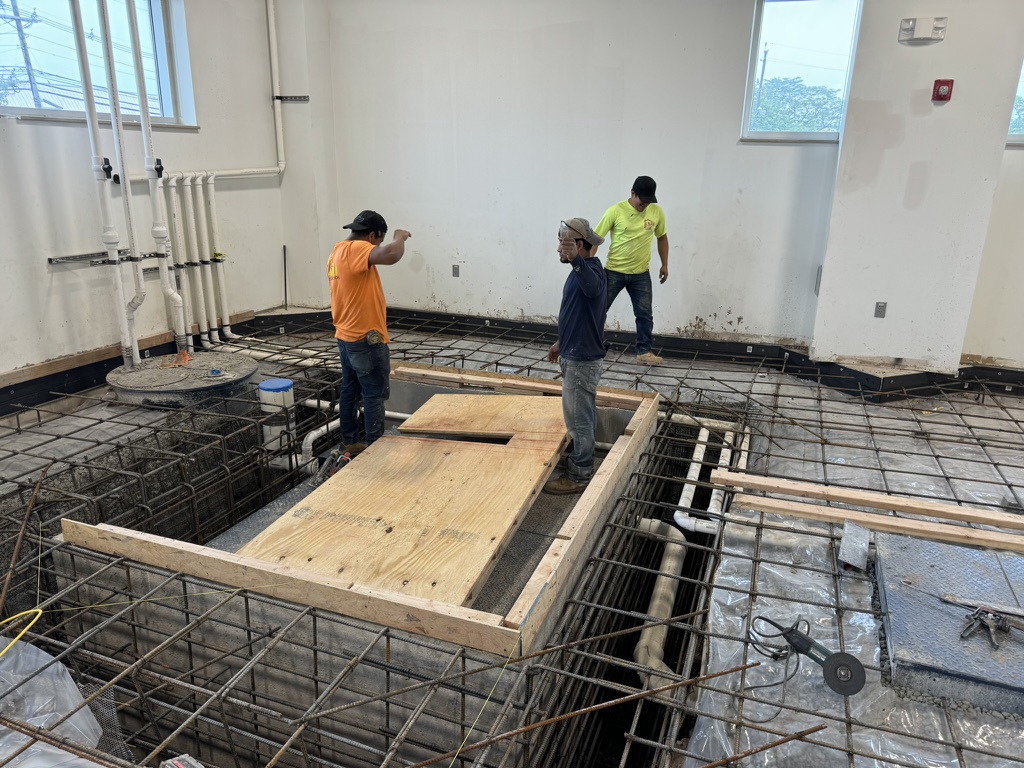
Exterior waterproofing membranes and drainage boards come into play when foundation walls are leaking due to direct soil moisture and pressure. This typically means excavation down to the footing, cleaning the wall, sealing cracks, applying a waterproof coating or membrane, installing drainage protection, and adding or replacing footing drains. Done properly, it is effective. It is also disruptive and expensive, which is why it should be recommended only when the conditions justify it.
Window well improvements can range from simple cover installation to full reconstruction with proper drains tied into a drainage system. A basement window should not function like a bucket every time the sky opens up. If it does, that area needs redesign, not just caulk.
Interior systems and when they make sense
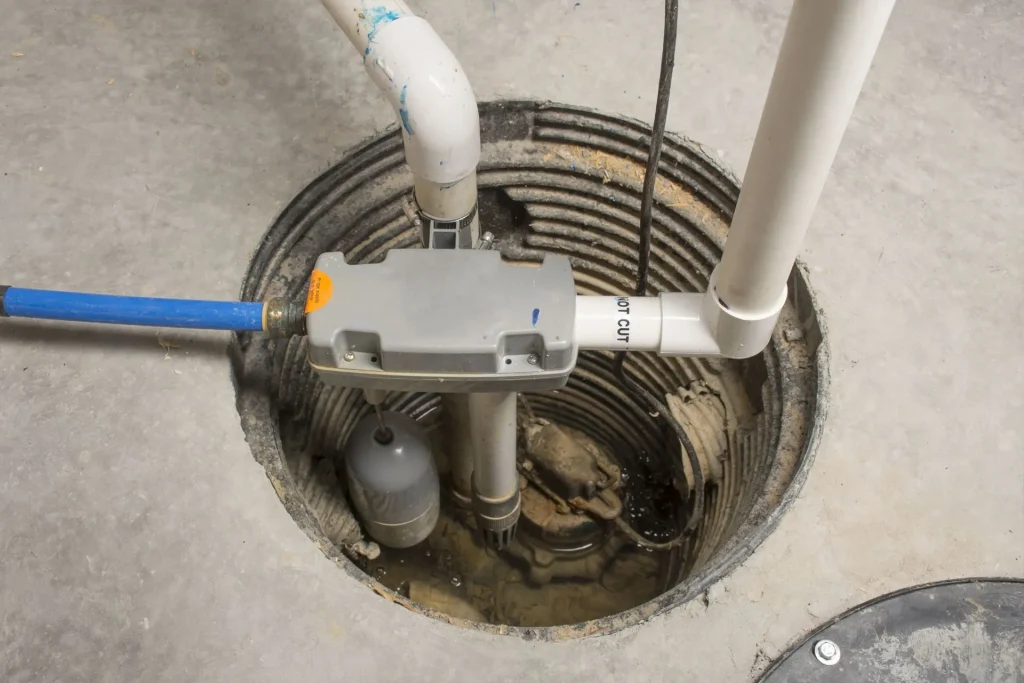
Interior waterproofing gets misunderstood because some people think it “lets the water in.” That is not quite right. A well designed interior drain system accepts that groundwater pressure may still develop outside the wall and under the slab, then controls where the water goes once it reaches the basement envelope. Instead of forcing its way onto the floor, it is captured in a perimeter channel and directed to a sump pump.
This approach is often the most practical answer when excavation is difficult or when the main entry point is beneath the slab or through the cove joint. In many finished basements, especially in tighter lots or homes with patios, decks, or driveways against the foundation, an interior system offers strong performance with less disturbance than digging outside.
A sump pump is only as good as its installation and backup plan. In New Jersey, where storms can knock out power at exactly the wrong moment, battery backup systems are not a luxury. They are part of responsible design. A primary pump without backup can leave a homeowner exposed during the event that matters most. I have seen finished basements saved by backup systems that ran for hours while the main power stayed out.
Vapor barriers on interior walls can also play an important role, particularly with block foundations. They are not a cure for standing water, but they help manage moisture movement and direct wall seepage into the drainage system. As with any system, the details matter. Gaps, poor terminations, or https://kylerqxit140.cavandoragh.org/how-basement-waterproofing-nj-helps-prevent-costly-water-damage improper finishing can undermine performance.
Crack repair is not all the same
Crack injection is one of the most common targeted repairs, especially for poured concrete walls. Polyurethane injections are often used for active water leaks because the material can expand and seal against moisture intrusion. Epoxy injections are more often chosen when structural bonding is part of the goal. The right material depends on whether the crack is moving, leaking, structural, or simply cosmetic.
This is a good example of why a one word diagnosis, “crack,” is not enough. A vertical hairline crack in a stable poured wall may be straightforward. A stair step crack in block, or a horizontal crack with inward movement, raises different concerns. Waterproofing contractors and structural specialists sometimes need to coordinate. If a wall is under significant lateral pressure, sealing the leak without addressing the movement only delays the next problem.
Humidity control and the leaks that are not really leaks
A basement can feel wet without groundwater intrusion. High humidity can create damp surfaces, musty smells, and mold growth on organic materials. This happens often in summer when warm outdoor air enters through open windows or through normal air leakage and meets cool basement surfaces. People open the basement windows thinking they are airing the place out, but in humid weather they are sometimes making it worse.
A dedicated dehumidifier, sealed ductwork, insulated cold water lines, and proper air sealing can make a dramatic difference. In finished basements, flooring choice matters too. Wall to wall carpet laid directly over a slab is rarely forgiving when moisture is present. Some subfloor systems perform better because they create an air gap and reduce direct contact with cool concrete.
The practical test is timing. If the basement feels damp mostly in hot weather, if metal surfaces sweat, and if there is little connection to rainfall, interior humidity may be the dominant issue. That does not rule out waterproofing needs, but it changes the order of operations.
Choosing the right Basement Waterproofing NJ solution
There is no single best waterproofing method, only a best match for the conditions. A home with minor seepage from poor gutter discharge may need basic drainage corrections and crack repair. Another with chronic cove seepage and a high water table may need a full interior drain system with sump backup. A third with failing exterior membrane and saturated backfill may justify excavation and exterior waterproofing.
When evaluating options, homeowners should weigh a few practical factors:
- Whether the water source is surface runoff, groundwater, plumbing, or humidity
- How often the problem occurs and how severe it becomes
- Access constraints outside the home, such as patios, narrow lots, or additions
- The value of the basement finish and how much disruption is acceptable
- Long term reliability, including pump maintenance and backup power
The cheapest quote is not always the least expensive decision over time. Neither is the most comprehensive proposal automatically the right one. What matters is whether the scope matches the evidence. Good contractors explain the pathway of the water, show why their method addresses it, and are honest about limitations. If a system requires periodic maintenance, they should say so. If a crack looks structural, they should not pretend it is just a sealant job.
What homeowners can do before the next storm
The best time to deal with a wet basement is before it gets wet again. Even if a larger repair is still being planned, there are immediate steps that reduce risk. Clean the gutters. Check every downspout discharge point. Walk the perimeter during a moderate rain if it is safe to do so. Look for overflowing gutters, pooling near window wells, splashback at the foundation, and areas where the soil pitches inward.
Inside, move stored items off the floor. Plastic shelving or simple risers can save belongings from minor seepage. If a basement has a sump pump, test it with water and make sure the discharge line is clear. If there is no battery backup, that is worth serious consideration before storm season. A dehumidifier should drain continuously if possible, not into a bucket that fills on the most humid day of the month.
One practical habit I recommend is keeping a log. Note the date, rainfall conditions, where the water appeared, and how much. Over two or three storms, patterns emerge. That information helps a contractor diagnose the problem faster and can keep a homeowner from paying for the wrong repair.
Why small leaks deserve respect
A basement leak is rarely just a cosmetic nuisance. Moisture changes the environment of the entire lower level. It feeds mold, weakens finishes, corrodes metal, damages insulation, and can reduce indoor air quality in ways people notice upstairs before they identify the source below. In finished basements, even minor recurring seepage can ruin baseboards, drywall, flooring, and furniture long before it becomes a dramatic flood claim.
There is also a resale issue. Buyers may forgive an unfinished basement with an old utility sink and dated paint. They are less forgiving about water stains, musty air, or signs of past flooding. A dry basement signals that the house has been cared for. A wet one raises questions about maintenance, hidden damage, and future cost.
For New Jersey homeowners, that makes basement waterproofing less of an optional upgrade and more of a protective system, like roofing or proper drainage around the property. The goal is not just to stop visible water. It is to manage how the house handles moisture year round, through summer humidity, winter freeze thaw, and the kind of storms that put weak points on display.
The houses that stay dry over time are usually not the ones with the flashiest fix. They are the ones where someone took the time to understand the cause, match the method to the condition, and correct the details that let water linger around the foundation in the first place. That is the real value of smart Basement Waterproofing NJ work. It solves the current leak, but more importantly, it changes the way water interacts with the home from the outside in.
ARD Waterproofing
Address: 98 Smull Ave, West Caldwell, NJ 07006
Phone number: +12016465936
FAQ About Basement Waterproofing NJ
What is the best waterproofing method for a basement?
The best overall approach to waterproofing a basement is a combined exterior and interior system that stops water at the foundation wall and safely manages any moisture that gets through.
What is the average cost to waterproof a basement?
The average cost to waterproof a basement ranges from $2,500 to $15,000, with most homeowners paying around $5,200 for a complete project.
Can a basement be waterproofed from the inside?
Yes, a basement can be waterproofed from the inside, and it is often the most affordable and least disruptive method.